
Ben Croft: Improving Productivity from the Ground Up
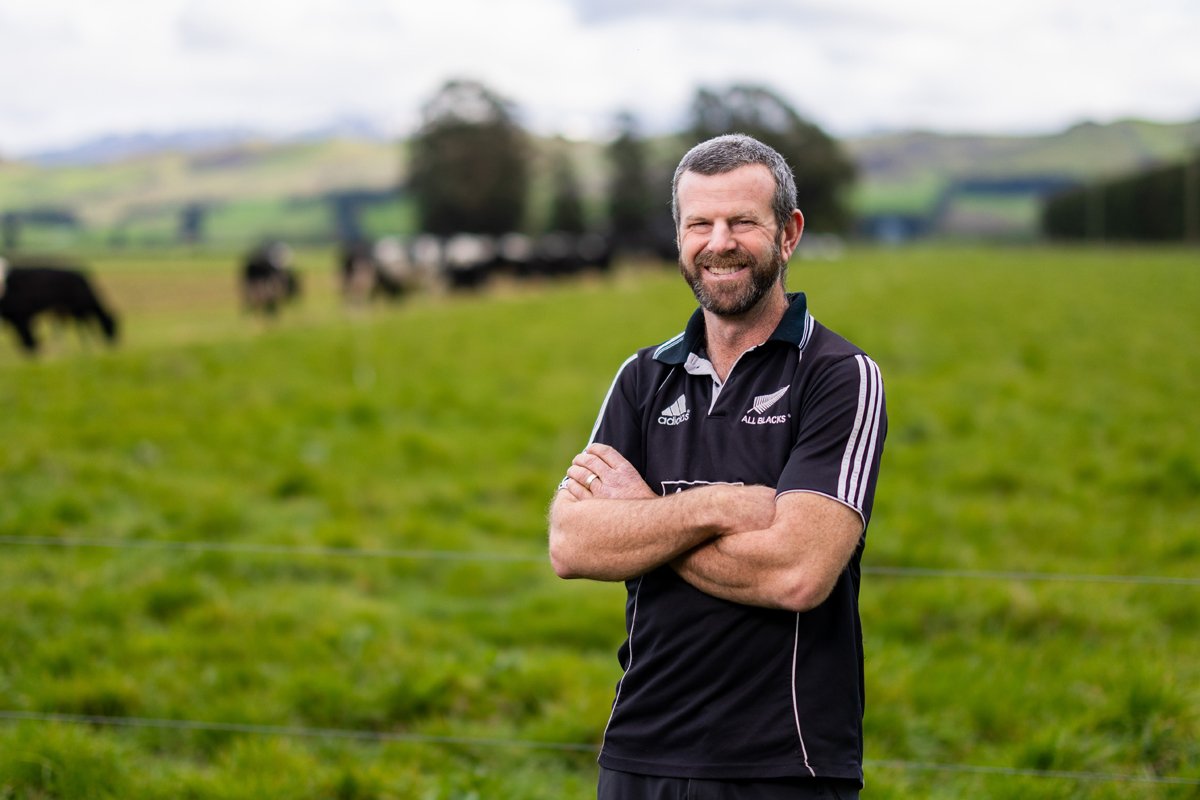
For Ben Croft, a simple conversation about reducing on-farm greenhouse gas (GHG) emissions quickly turned into a bigger opportunity - lifting productivity and efficiency across every corner of the farm.
Ben became involved with the Nestlé/Fonterra Partnership Greenhouse Gas (GHG) Farmer Support Pilot during the 2023/24 season. This industry initiative aims to lower GHG emissions and improve environmental practices on dairy farms. The goal was to reduce cow numbers while maintaining or lifting milk solids production. With methane-reducing technology still largely out of reach, the focus turned to what could be controlled - smarter management practices and getting the most from what you’ve got.
When Ben and his family moved onto Windale Farm in 2015/16, he inherited an aging, big-framed Friesian herd that had outgrown the farm system. Keen on efficiency, his first priority was herd genetics. In that first season he introduced pregnant heifers from his own crossbred herd, steadily improving the herd through stronger genetics. By selling the lowest-performing cows rather than opting for a capital split, he kept the focus on building high-quality breeding stock rather than just chasing short-term returns.
In 2024/25, Ben selected 100 of the lowest-performing cows and bred them with Hereford bulls, producing distinctive beef calves that added value and helped balance farm finances. Over time this gradual approach is reshaping the herd. By 2027/28, Ben expects to have a full herd of F11 J5 crossbreds, optimised for efficient milk production. While Friesians typically convert 1kg of grass into around 90g of milk, the Windale F11 J5 crossbreds can produce about 110g from the same feed, delivering the same output with fewer cows and lower emissions.
With modelling support from farm consultant Noelle Fox through the Nestlé/Fonterra partnership, Ben dropped cow numbers from 950 to 875 in 2024/25. The lower stocking rate sped up pasture rotation, producing shorter, higher-quality grass. Twice-weekly pasture walks helped him plan ahead for water restrictions and avoid last-minute decisions under pressure. Relying on pasture rather than supplements saved significantly on feed costs during the dry months. Even in a tough summer, pasture production lifted from 14.6 t DM/ha to 17.2 t DM/ha.
Faster rotations meant making daily calls on whether to leave cows grazing or move them off and top the surplus. Installing extra water troughs (two in every paddock) reduced trampling damage and improved pasture quality, while also cutting down topping. That meant fewer tractor hours, lower fuel use, and less labour.
The smaller, calmer herd also changed cow behaviour. Without larger Friesians dominating, competition dropped. Instead of racing to the shed for feed, cows walked in quietly after getting their fill in the paddock. They ate more, milked better, and stayed healthier. With less topping, farm expenses fell by around $1/kgMS. Empty rates dropped from 18% to 12%, the 6-week in-calf rate lifted from 72% to 78%, and mastitis cases reduced with less pugging at gateways.
The efficiency gains came with the bonus of Nestlé’s offer of up to 25 cents/kgMS for meeting GHG targets. To maximise that premium, Ben is setting goals across the farm to keep pushing efficiency, proving you really can have your cake and eat it.
With breeding and pasture management now close to optimal, Ben is turning his attention to the 1% gains. With the support of farm owner George Gould, his next goal is 500kgMS per cow with farm working expenses of $6-6.50/kgMS. That means introducing a balanced meal alongside in-bail reading technology in the shed, designed to lift production while staying on track with emissions for an optimised Nestlé return. Another trial underway is wintering heifers and problem cows separately at home, closely managing feed to hit a 5.5 BCS before calving, another small step that could deliver big gains.
Learnings
Don’t underestimate how much your smaller crossbred cows can eat once herd size pressure is removed and pasture is carefully managed.
Balance cow numbers with the pasture potential on your farm and make gradual adjustments. Keeping an extra 30 cows actually reduced Ben’s total annual production by 7,000kgMS, because it stretched out rotations and lowered pasture quality.
Dropping from 950 to 875 cows proved the Overseer modelling right. The next step is to drop to 850.
Key Takeaway
Find your sweet spot. Focus on genetics and pasture, try dropping 20-25 cows, and you might be surprised at how much more your farm gives back.