
Emlyn Francis: A Novel Approach to Winter Grazing
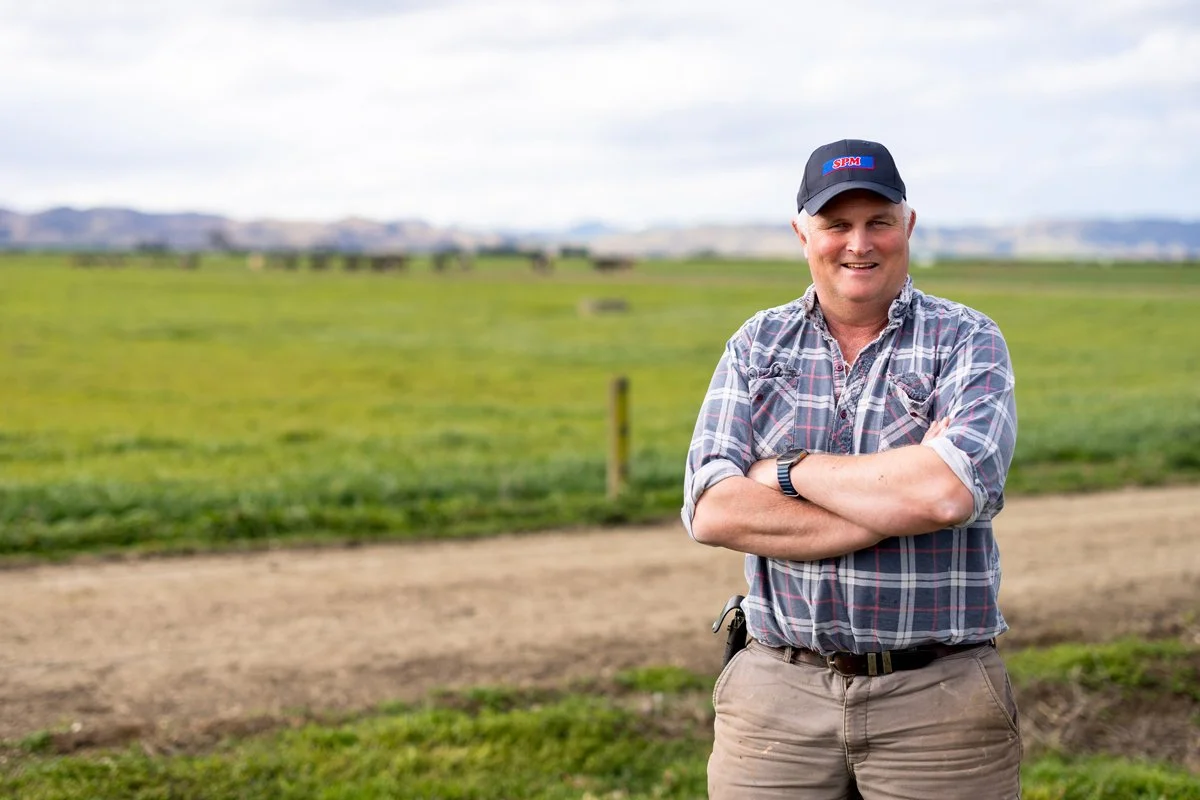
Declining kale yields and tighter winter grazing regulations prompted Emlyn and Hilary Francis to try something different. What began as a 10-hectare trial expanded to 100ha after the system proved its worth. Instead of sowing a kale crop, they shifted to bale grazing - placing bales across a short-rotation pasture block to be fed out in situ.
The idea came after repeated issues with club root in kale. Yields had been dropping year after year, and Emlyn and Hilary knew they couldn’t keep doing the same thing expecting a different result. Combined with changing intensive winter grazing rules, it was the right time to innovate and get ahead of regulation.
Inspired by a neighbour’s bale grazing approach, they trialled a similar set-up on a 10ha block in the 2024/25 season. Bales were laid out in a 25-metre grid with 16 bales per hectare, equating to roughly 4 t DM/ha of baleage plus 3.5–4 t DM/ha of grass, comparable to an 8 t DM/ha kale crop. The biggest advantage? Bale grazing isn’t classified as intensive winter grazing.
While there’s some upfront labour and material cost, it’s offset by efficiency and animal welfare gains. Using Halter technology made it even simpler: every bale location is marked in the app, and when it’s time for a new break, Emlyn and Hilary draw a virtual fence, roll over the ring feeders, let the cows in, and back-fence behind them.
One of the most noticeable changes in the first year was cow behaviour. Under the kale system, even with 12kg of crop plus straw and PKE, cows crowded at the break fence waiting to be moved. In the bale grazing system, they were quieter and more settled on 12kg of grass and baleage, calmly shifting to the next break. Better feed utilisation, with less trampling losses likely played a part.
Rumination data from Halter showed another big improvement. After moving from a winter beet paddock to bale grazing, cows spent more time sitting and ruminating. With better digestion and energy from the baleage, body condition lifted, acidosis stress was eliminated, and calf weights improved.
Next, Emlyn and Hilary plan to add more troughs to reduce walking distance and minimise pasture damage. Back-fencing has already sped up pasture recovery, allowing a silage cut in September.
Learnings
Avoid double handling. In the first trial, pasture was cut, baled, removed, and then brought back in. Next time, they’ll line the bales down the paddock centre and cut between them.
Refine bale spacing. Moving bales closer together could make stitching-in easier.
Technology helps, but isn’t essential. The system works particularly well with Halter, but still offers big gains in welfare, efficiency, and compliance without it.
Key Takeaway
Stay ahead of regulation by finding innovative approaches that work for your farm and use technology as a tool to lift efficiency and animal welfare.