
Tim Delany: Wetlands as a Strategic Investment
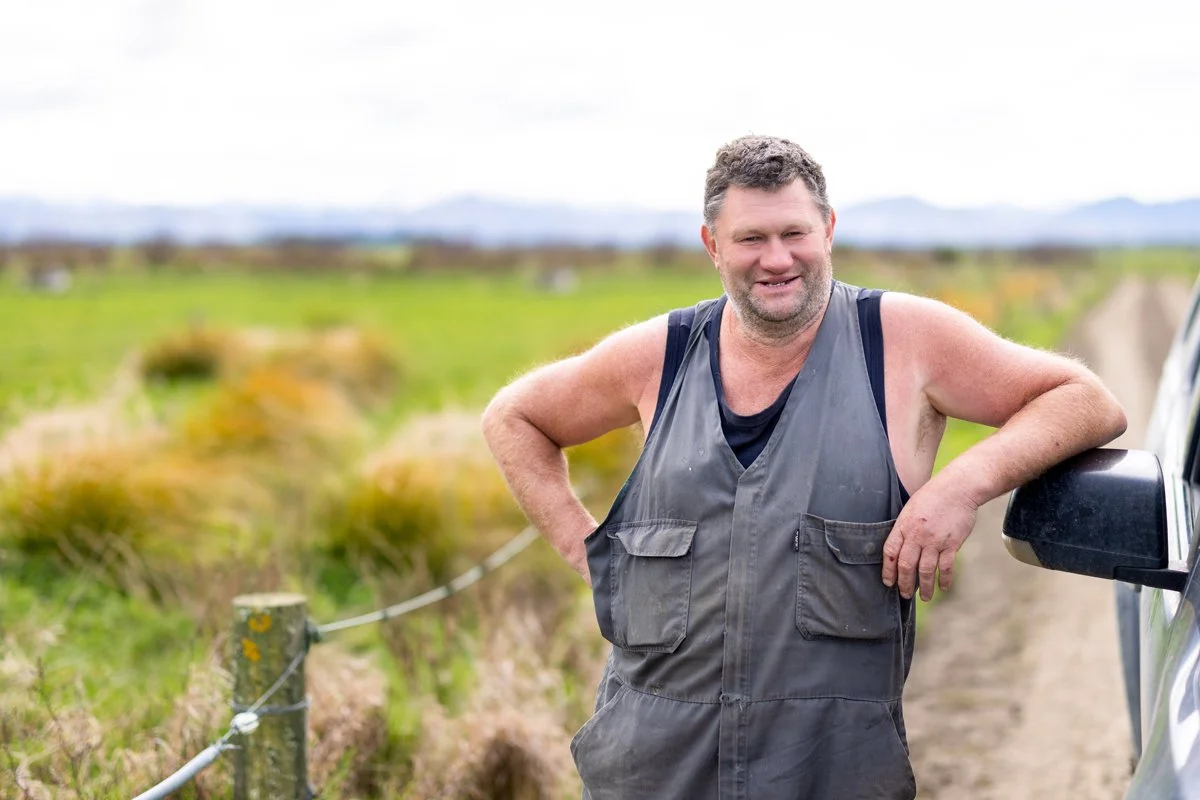
For Tim Delany and Jo Smith, donating two hectares for a wetland wasn’t about being charitable, it was a smart, future-focused decision.
The paddock had always been wet and swampy and it was becoming a practical and financial drain to keep farming it. With constant mud, pugging, and wasted effort, it was costing more to manage than it returned. Retiring it was an easy call and no great loss to production.
The decision to convert it into a wetland was driven by changing regulations and growing expectations around water quality. For Tim and Jo, investing in the wetland wasn’t just about the environment, it was about securing their right to keep farming. If water quality across the Basin doesn’t show improvement, AIC’s water take consent is at risk when it comes up for renewal in 2033. So even without short-term incentives like nature credits or offset schemes, the long-term financial security of protecting the right to farm was the real driver behind establishing the wetland.
Their wetland, built by AIC on land they contributed, is already proving the value of that investment. On average, nitrates drop by 94% after passing through the system - clear evidence that wetlands can make a measurable difference to water quality in the Basin.
But the wetland is just one piece of how they’re future-proofing their operation. Tim and Jo know lower stocking rates are coming. By keeping ahead of the curve, they have had the luxury of time to experiment with different methods to improve efficiency and find what works for their farm.
Experimenting with stocking rate has meant keeping a close eye on the numbers. They’ve focused on efficiency over volume, using tools like MINDA Land and Feed, HawkEye, FarmIQ (through Synlait’s Lead with Pride programme) and modelling with Kelly Morris at Ravensdown to test scenarios through Overseer before making changes on farm. Because their record-keeping is accurate, the models predict efficiency gains that line up with what happens on-farm, saving time and money compared to relying on trial and error.
Preventing a regulated stocking rate requires demonstrating the ability to do more with less. Tim and Jo are achieving this by focusing on better herd genetics, stronger pasture growth, more precise fertiliser use, and smarter supplement choices. Today they’re running 3.6 cows/ha and averaging 18t DM/ha pasture growth with only 40kg/ha of urea. Across five farms, that’s translating into 1,230,000kgMS a year. By growing to match the herd instead of baling excess, they’ve reduced spending on fertiliser, diesel, labour, and plastic wrap.
As part of Synlait’s Lead with Pride incentives, avoiding PKE and soy supplements earns them an extra 8 cents per kgMS. When pasture protein dips in autumn and winter, they use barley, corn extract, and canola bean meal instead, holding onto the premium and keeping greenhouse gas emissions down.
Learnings
More cows don’t automatically mean more production. By making every part of the system as efficient as possible, you can produce more milk solids with fewer cows. Across Tim and Jo’s five farms, ~2,300 cows are averaging 544 kgMS/cow.
Ask around: Plenty of farmers have already made the mistakes for you. A phone call can save you a season of pain.
Environmental wins often deliver short-term and long-term financial gains.
Key Takeaway
Think of a wetland as a long-term investment in your ability to farm. Rather than struggling with a low-productivity paddock that delivers little return, you can boost efficiency, protect water quality, and strengthen your long-term financial security by converting it into a wetland.